Starting your day with morning yoga is one of the most effective ways to set a positive tone for the rest of your day. Whether you're a seasoned yogi or a beginner, morning yoga can help you feel more energized, focused, and balanced. In this article, we’ll explore the many benefits of morning yoga, the different styles and poses you can incorporate into your routine, and tips on how to make morning yoga a consistent and rewarding practice.
Yoga involves deep breathing, stretching, and holding poses that stimulate your body and mind.
Morning yoga, in particular, helps activate your body’s energy centers, improving circulation and oxygen flow, which results in increased vitality. As you move through the poses, you'll feel more awake and ready to take on the day.
2.Enhances Mental Clarity:
3.Improves Mood:
4.Increases Flexibility and Strength:
5.Promotes Better Posture:
Many yoga poses are designed to improve posture by strengthening the muscles that support the spine. A morning yoga routine can help you become more aware of your posture throughout the day, reducing the risk of back pain and other posture-related issues.
6.Enhances Breathing:
Yoga emphasizes deep, mindful breathing, which improves lung capacity and oxygen intake. Morning yoga helps you start the day with full, deep breaths, which can increase your energy levels and reduce stress. Practicing pranayama (breath control) in the morning can also help you stay calm and centered throughout the day.
7.Sets a Positive Intention:
Morning yoga provides an opportunity to set a positive intention for the day. Whether it’s practicing gratitude, focusing on a goal, or simply committing to being present, starting your day with a clear intention can help guide your actions and mindset.
Different Styles of Morning Yoga
There are various styles of yoga that you can incorporate into your morning routine, depending on your preferences and goals. Here are some popular styles:
Hatha Yoga:
Hatha yoga is a gentle and slow-paced style that focuses on basic poses and breathing techniques. It’s a great option for beginners or those looking for a more relaxed morning practice. Hatha yoga helps stretch and strengthen the body while promoting relaxation and mindfulness.
Vinyasa Yoga:
Vinyasa yoga is a more dynamic and flowing style that links movement with breath. It involves a series of poses that flow seamlessly from one to the next, creating a continuous sequence. Vinyasa yoga is excellent for building strength, flexibility, and cardiovascular endurance. It’s a great choice for those who want a more energetic and invigorating morning practice.
Ashtanga Yoga:
Ashtanga yoga is a more rigorous and structured style that follows a specific sequence of poses. It’s a physically demanding practice that builds strength, flexibility, and stamina. Ashtanga yoga is ideal for those who want a challenging and disciplined morning routine.
Iyengar Yoga:
Iyengar yoga emphasizes precise alignment and the use of props, such as blocks and straps, to support the poses. It’s a great option for those who want to focus on the details of each pose and improve their posture and alignment. Iyengar yoga is suitable for all levels, including beginners.
Yin Yoga:
Yin yoga is a slow-paced and meditative style that involves holding poses for several minutes. It targets the deep connective tissues and promotes relaxation and flexibility. Yin yoga is perfect for those who want a calming and restorative morning practice.
Kundalini Yoga:
Kundalini yoga focuses on awakening the energy at the base of the spine and moving it upward through the chakras. It involves a combination of breathwork, chanting, and physical postures. Kundalini yoga is known for its ability to elevate consciousness and promote spiritual growth. It’s a great option for those seeking a more spiritual and transformative morning practice.
Restorative Yoga:
Restorative yoga is a gentle and calming style that involves using props to support the body in passive poses. It’s designed to promote deep relaxation and stress relief. Restorative yoga is ideal for those who want to start their day with a sense of peace and calm.
Essential Morning Yoga Poses
Here are some essential yoga poses that you can incorporate into your morning routine to help wake up your body and mind:
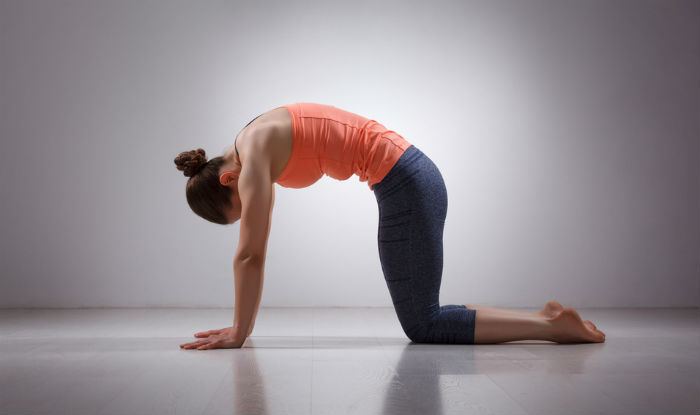
Cat-Cow Pose (Marjaryasana-Bitilasana):
This gentle flow between two poses warms up the spine and relieves tension in the back, neck, and shoulders. Begin on your hands and knees in a tabletop position. Inhale as you arch your back (Cow Pose) and exhale as you round your spine (Cat Pose). Repeat for several breaths.
Downward-Facing Dog (Adho Mukha Svanasana):
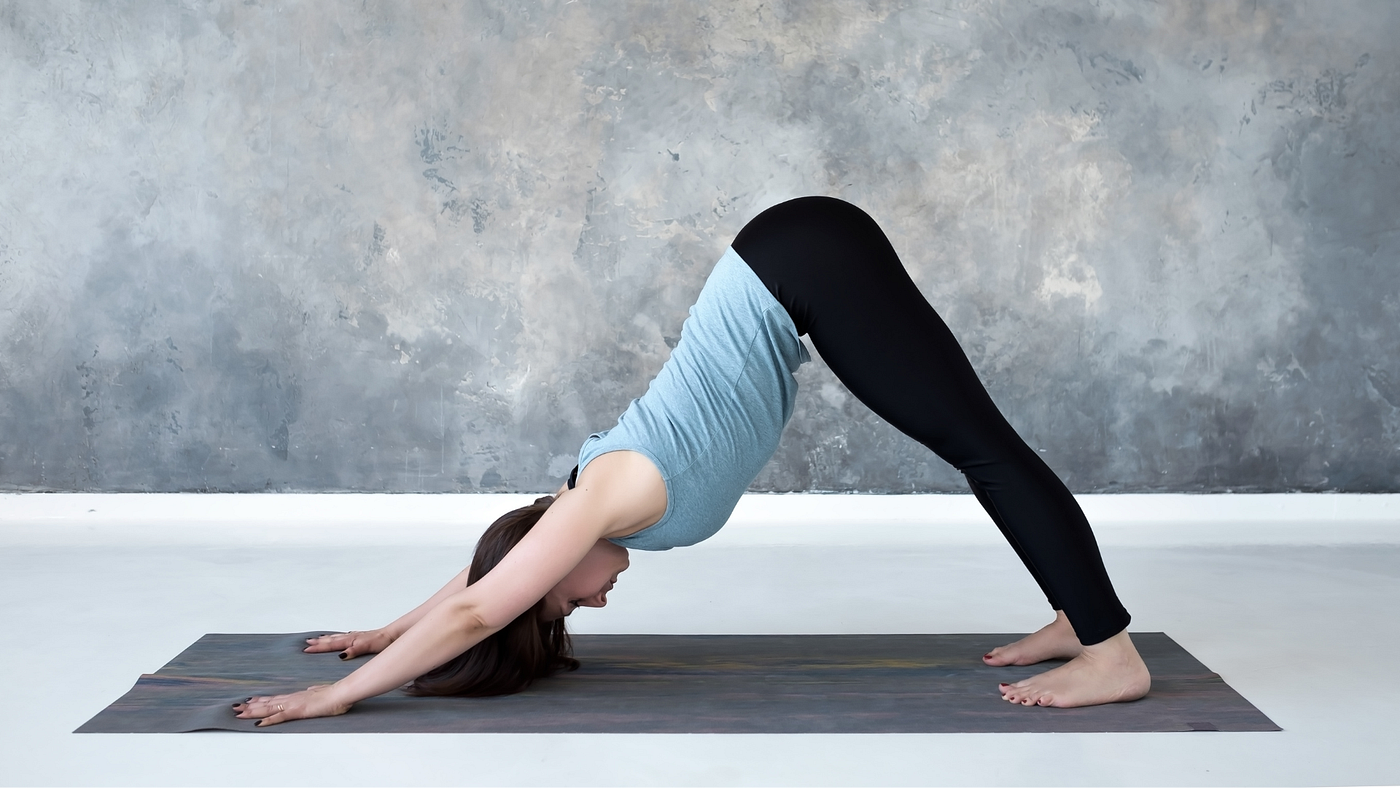
This pose is excellent for stretching the entire body, especially the hamstrings, calves, and shoulders. Start in a tabletop position, then lift your hips up and back to form an inverted V shape. Press your hands into the mat, lengthen your spine, and keep your heels reaching towards the ground.
Child’s Pose (Balasana):
Child’s Pose is a restorative pose that helps calm the mind and stretch the hips, thighs, and ankles. From the tabletop position, sit back on your heels and lower your forehead to the mat. Extend your arms forward or rest them alongside your body. Breathe deeply and relax in this pose for several breaths.
Sun Salutations (Surya Namaskar):
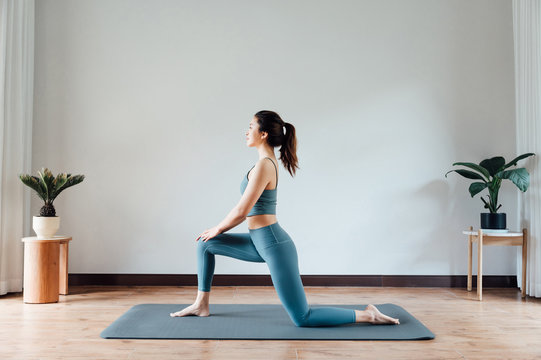
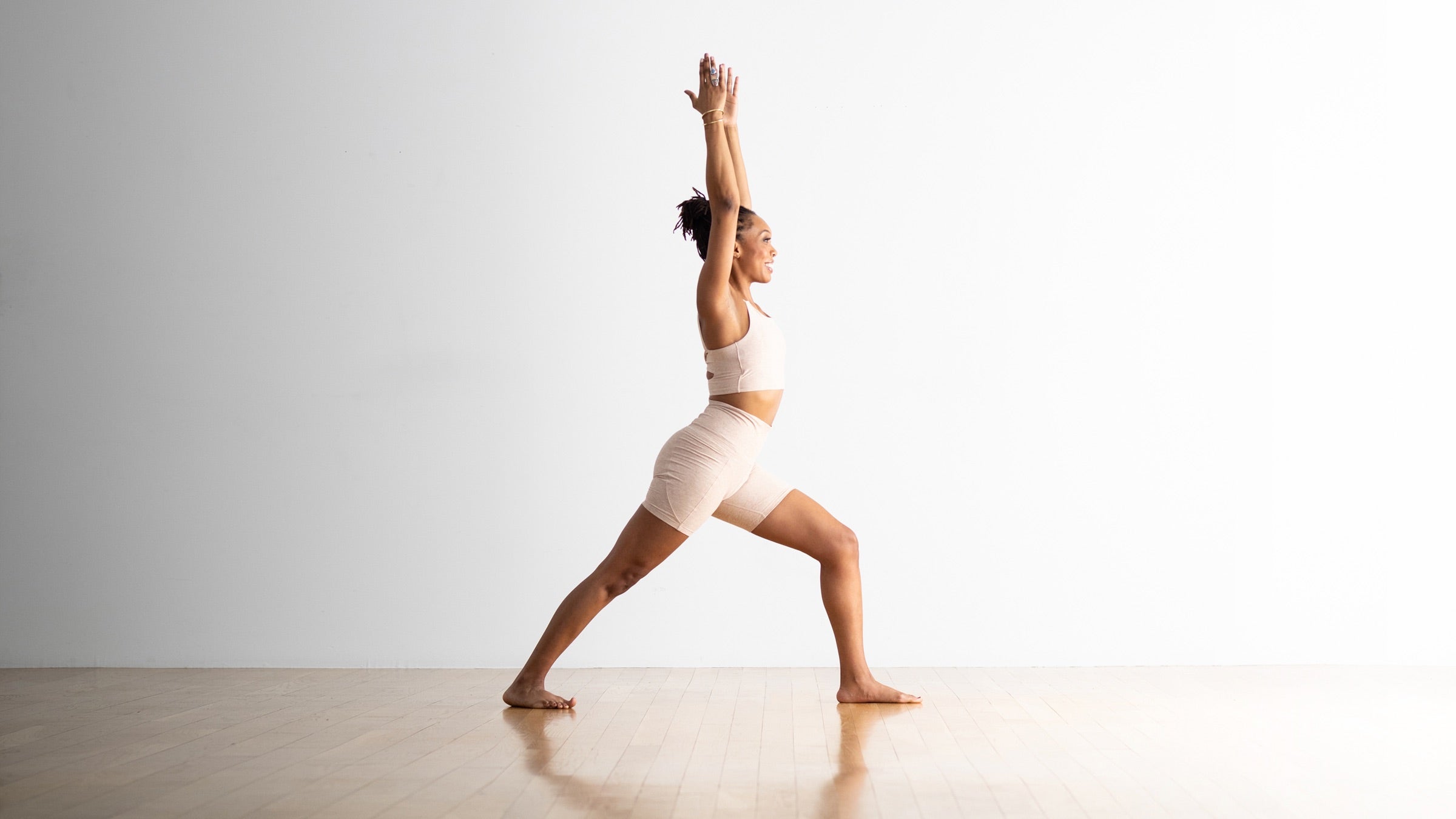
Warrior I is a powerful standing pose that strengthens the legs, opens the hips, and stretches the chest and shoulders. From a standing position, step one foot back and bend the front knee to form a lunge. Raise your arms overhead and keep your hips square to the front. Hold the pose for several breaths before switching sides.
Warrior II (Virabhadrasana II):
Warrior II is another strong standing pose that builds strength and stability in the legs and core. From Warrior I, open your hips and shoulders to the side, extend your arms parallel to the floor, and gaze over your front hand. Hold the pose for several breaths before switching sides.
Triangle Pose (Trikonasana):
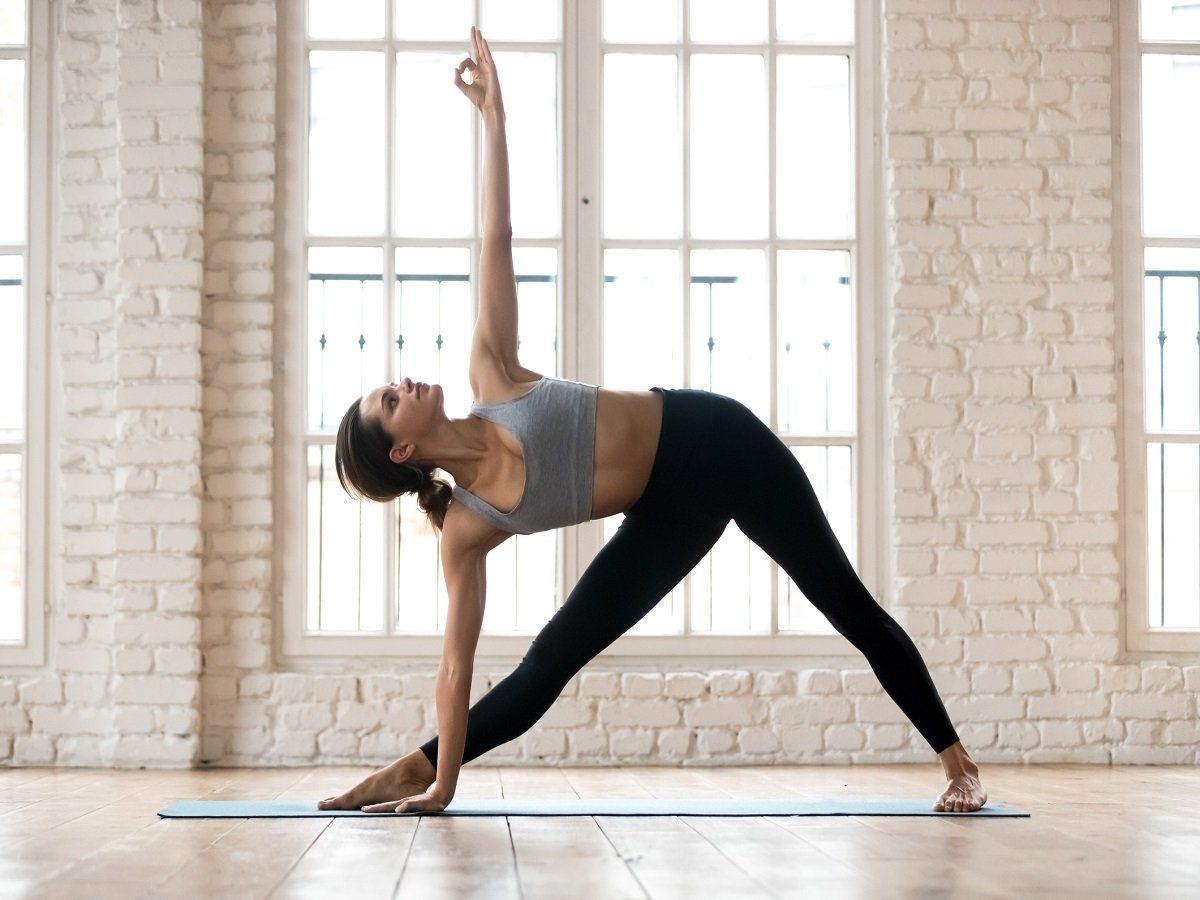
Triangle Pose is a standing pose that stretches the hamstrings, hips, and spine while improving balance and concentration. From Warrior II, straighten your front leg and reach your front hand forward. Lower your hand to your shin or the floor and extend your other arm towards the sky. Hold the pose for several breaths before switching sides.
Tree Pose (Vrksasana):
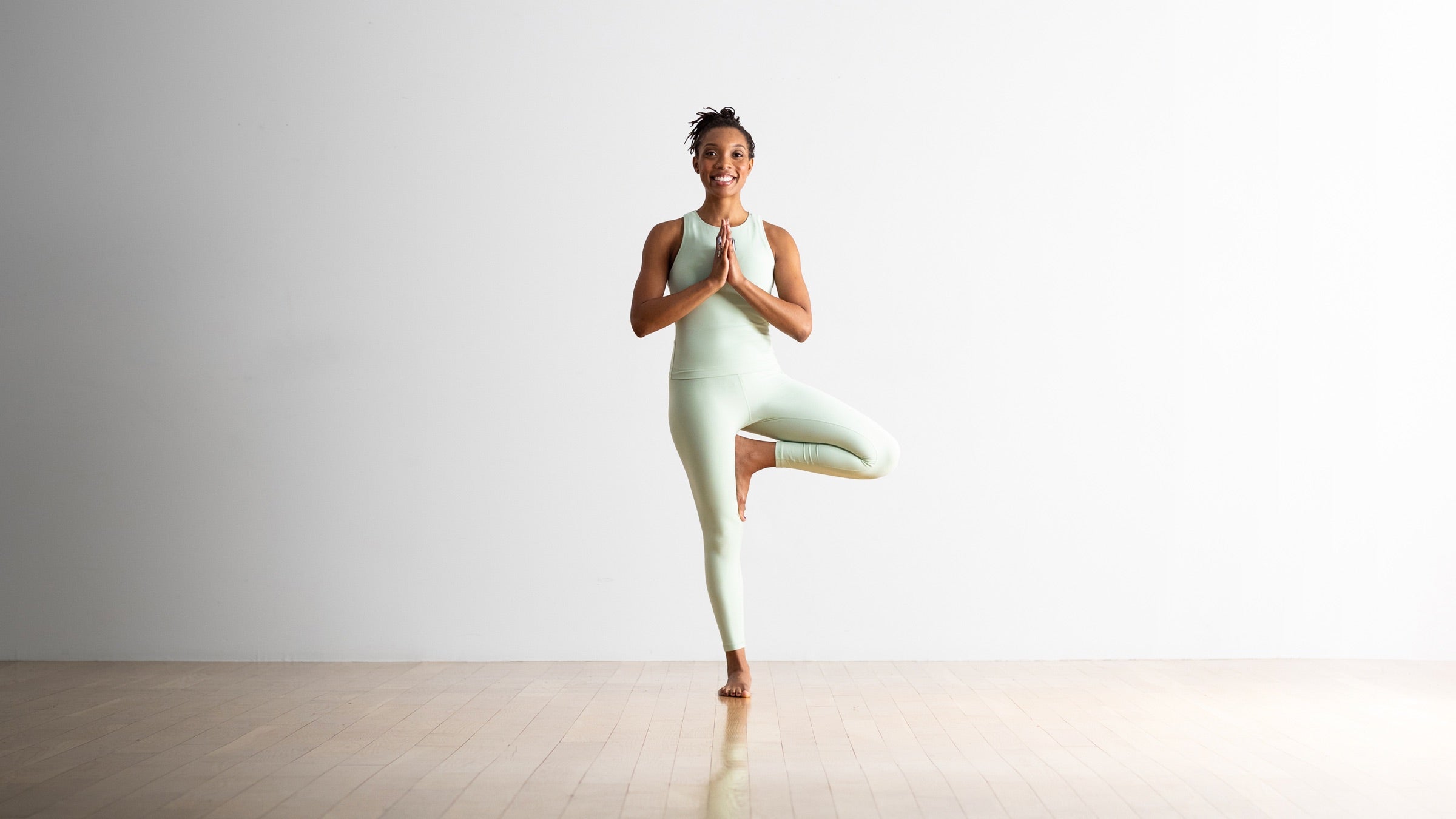
Tree Pose is a balancing pose that strengthens the legs and core while improving focus and concentration. From a standing position, shift your weight onto one foot and place the sole of your other foot on your inner thigh or calf. Bring your hands to your heart or raise them overhead. Hold the pose for several breaths before switching sides.
Seated Forward Fold (Paschimottanasana):
Seated Forward Fold is a calming pose that stretches the hamstrings and lower back while promoting relaxation. Sit on the mat with your legs extended in front of you. Inhale as you lengthen your spine, then exhale as you fold forward, reaching for your feet or shins. Hold the pose for several breaths.
Corpse Pose (Savasana):
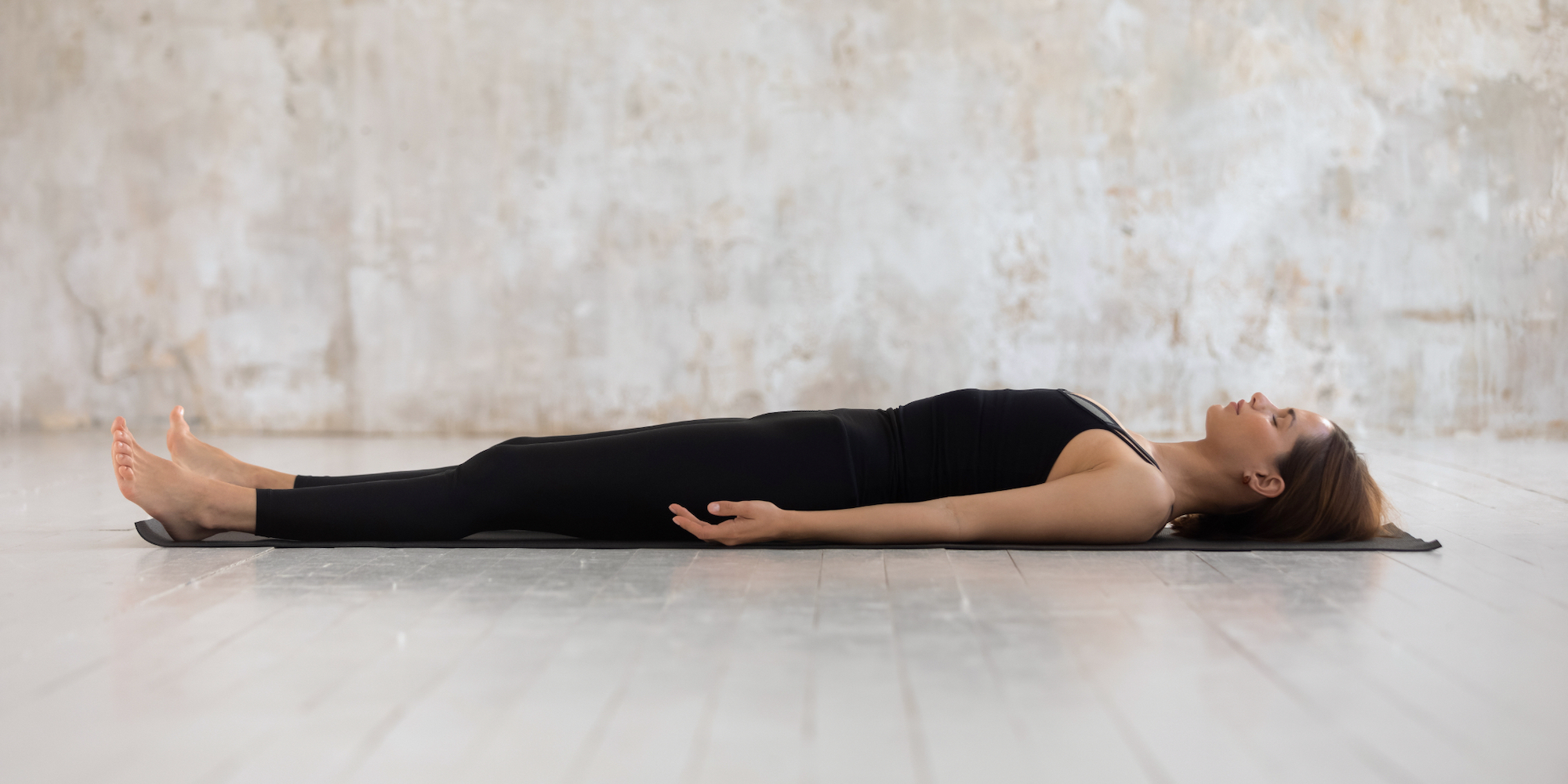
Savasana is the final relaxation pose that allows your body and mind to absorb the benefits of your practice. Lie flat on your back with your arms at your sides, palms facing up. Close your eyes and take slow, deep breaths. Relax in this pose for several minutes before slowly coming out of it.
Tips for Establishing a Morning Yoga Routine
Creating a consistent morning yoga routine can be challenging, especially if you’re not a morning person. Here are some tips to help you make morning yoga a regular part of your day:
Start Small:
If you’re new to morning yoga, start with just 10-15 minutes a day. As you become more comfortable with the practice, you can gradually increase the duration. The key is to start small and build the habit over time.
Create a Sacred Space:
Designate a specific area in your home for your morning yoga practice. Keep it clean, clutter-free, and filled with items that inspire you, such as candles, crystals, or plants. Having a dedicated space can help you stay motivated and focused.
Set a Consistent Time:
Choose a specific time each morning to practice yoga, and try to stick to it as consistently as possible. Whether it’s right after you wake up or after a cup of tea, having a set time can help you establish a routine.
Use a Yoga Mat and Props:
Invest in a good-quality yoga mat and props, such as blocks and straps, to support your practice. Using props can help you feel more comfortable in the poses and improve your alignment.
Follow a Guided Practice:
If you’re not sure where to start, follow a guided yoga practice through a video or app. There are many online resources available that offer free or paid yoga classes for all levels. Following a guided practice can help you stay on track and learn new poses.
Listen to Your Body:
Morning yoga should be a gentle and nourishing practice, especially if your body feels stiff or tired. Listen to your body and adjust the poses or intensity as needed. Remember that yoga is about self-care, not self-punishment.
Stay Hydrated:
Drink a glass of water before starting your morning yoga practice to stay hydrated. You can also keep a water bottle nearby during your practice in case you need a sip.
Set an Intention:
Before starting your practice, take a moment to set an intention for the day. It could be something simple like “I am calm and focused” or “I am grateful for this moment.” Setting an intention can help you stay centered and mindful throughout the day.
Be Patient:
Building a morning yoga routine takes time and patience. If you miss a day or two, don’t get discouraged. Simply pick up where you left off and keep going. Consistency is more important than perfection.
Reflect on Your Practice:
After your morning yoga practice, take a few moments to reflect on how you feel. Notice any changes in your energy, mood, or mindset. Keeping a yoga journal can help you track your progress and stay motivated.
Conclusion
Morning yoga is a powerful tool that can help you start your day on the right foot. By incorporating yoga into your morning routine, you can boost your energy levels, improve your mental clarity, enhance your mood, and promote overall well-being. Whether you prefer a gentle Hatha practice or a dynamic Vinyasa flow, there’s a morning yoga style that’s perfect for you.
Remember to start small, listen to your body, and stay consistent. With time and practice, morning yoga can become a cherished part of your daily routine, helping you face each day with positivity, strength, and balance. So roll out your mat, take a deep breath, and kickstart your day with morning yoga!








0 Comments