FitladiesHub
  • Fitness
    • Home Workout
    • Gym Tips
    • Yoga & Meditation
    • Weightloss Exercises
    • Step Challenges
  • Welness
    • Mental Health
    • Stress Relief
    • Skincare
    • Sleep Tips
    • Hormonal Health
  • Nutrition
    • Healthy Meals
    • Superfoods
    • Smoothie Recipes
    • Diet Tips
    • Hydration
  • Lifestyle
    • Time Management
    • Morning Routines
    • Self-Care
    • Fitness Gadgets
    • Sustainability

 When it comes to weight loss, breakfast truly holds its reputation as the most important meal of the day. A high-protein breakfast not only keeps you satiated for longer periods but also helps in boosting metabolism and reducing cravings. This guide brings you 20 delicious, high-protein breakfast ideas that can help you shed those extra pounds while enjoying your meals.


1. Greek Yogurt Parfait


Ingredients:

  • 1 cup Greek yogurt (plain, non-fat)
  • 1/2 cup mixed berries (blueberries, strawberries, raspberries)
  • 2 tablespoons granola
  • 1 tablespoon chia seeds

Instructions:

Layer Greek yogurt in a glass or bowl. Add a layer of mixed berries, followed by granola, and sprinkle chia seeds on top. Greek yogurt is a rich source of protein, and berries provide antioxidants and fiber. The chia seeds add a healthy dose of omega-3 fatty acids, making this parfait a perfect blend of nutrients to start your day.

2. Scrambled Eggs with Spinach and Feta


Ingredients:

  • 2 large eggs
  • 1/2 cup spinach (fresh)
  • 1/4 cup feta cheese (crumbled)
  • Salt and pepper to taste
  • 1 teaspoon olive oil

Instructions:

Heat olive oil in a pan over medium heat. Add spinach and sauté until wilted. Crack the eggs into the pan and scramble with the spinach. Add feta cheese, salt, and pepper, and cook until the eggs are set. Eggs are an excellent source of high-quality protein, and the spinach adds fiber and iron, while feta provides a delicious tang and extra protein.

3. Cottage Cheese and Fruit Bowl


Ingredients:

  • 1 cup cottage cheese (low-fat)
  • 1/2 cup pineapple chunks (fresh or canned)
  • 1/2 cup mandarin oranges
  • 1 tablespoon shredded coconut

Instructions:

Mix cottage cheese with pineapple and mandarin oranges in a bowl. Top with shredded coconut for an added tropical flavor. Cottage cheese is rich in protein, and the fruit provides natural sweetness and essential vitamins, making this dish both satisfying and refreshing.

4. Protein Pancakes


Ingredients:

  • 1/2 cup oats
  • 1/2 cup cottage cheese
  • 2 eggs
  • 1 teaspoon vanilla extract
  • 1/2 teaspoon baking powder

Instructions:

Blend oats, cottage cheese, eggs, vanilla extract, and baking powder until smooth. Pour the batter onto a heated non-stick pan and cook pancakes until golden brown on each side. These protein-packed pancakes are a great alternative to traditional ones, providing more satiety and less sugar.

5. Smoked Salmon and Avocado Toast


Ingredients:

  • 1 slice whole-grain bread
  • 1/2 avocado
  • 2 oz smoked salmon
  • 1 teaspoon lemon juice
  • Salt and pepper to taste
  • Fresh dill for garnish

Instructions:

Toast the whole-grain bread. Mash the avocado with lemon juice, salt, and pepper, then spread it on the toast. Top with smoked salmon and garnish with fresh dill. This combination provides a balance of healthy fats, protein, and fiber, perfect for keeping you full until lunch.

6. Quinoa Breakfast Bowl


Ingredients:

  • 1/2 cup cooked quinoa
  • 1/4 cup Greek yogurt
  • 1/4 cup fresh berries
  • 1 tablespoon almonds (sliced)
  • 1 teaspoon honey

Instructions:

Combine cooked quinoa with Greek yogurt, berries, and almonds in a bowl. Drizzle with honey for a touch of sweetness. Quinoa is a complete protein and a fantastic base for a nutritious breakfast bowl, paired with the benefits of yogurt and berries.

7. Egg White Omelette with Veggies


Ingredients:

  • 4 egg whites
  • 1/2 cup mixed vegetables (bell peppers, onions, tomatoes)
  • 1 tablespoon shredded cheese (optional)
  • Salt and pepper to taste
  • 1 teaspoon olive oil

Instructions:

Heat olive oil in a pan and sauté the mixed vegetables until tender. Add egg whites, season with salt and pepper, and cook until set. Top with a little cheese if desired. This light, high-protein omelette is perfect for a low-calorie breakfast option.

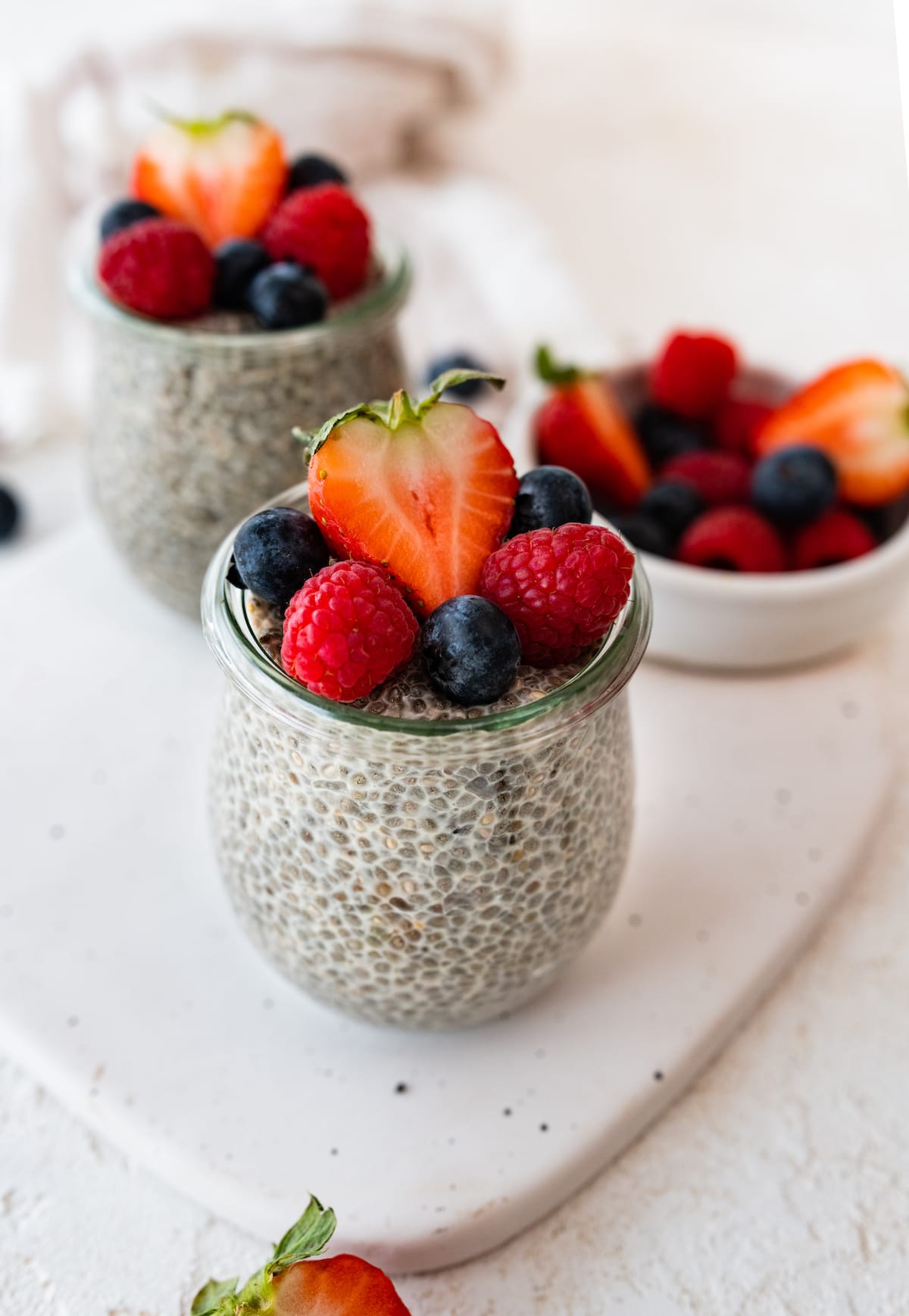
8. Chia Seed Pudding


Ingredients:

  • 3 tablespoons chia seeds
  • 1 cup almond milk (unsweetened)
  • 1 teaspoon vanilla extract
  • 1 tablespoon honey or maple syrup
  • Fresh berries for topping

Instructions:

Mix chia seeds with almond milk, vanilla extract, and honey in a jar. Let it sit in the refrigerator overnight. In the morning, top with fresh berries. Chia seeds are packed with protein, fiber, and omega-3s, making this pudding both delicious and healthy.

9. Tofu Scramble


Ingredients:

  • 1/2 block firm tofu
  • 1/4 cup onions (diced)
  • 1/4 cup bell peppers (diced)
  • 1/4 teaspoon turmeric
  • Salt and pepper to taste
  • 1 teaspoon olive oil

Instructions:

Crumble tofu in a bowl. Heat olive oil in a pan and sauté onions and bell peppers. Add tofu, turmeric, salt, and pepper. Cook for a few minutes until heated through. Tofu is a great plant-based protein source, and the vegetables add flavor and nutrients.

10. Peanut Butter and Banana Smoothie


Ingredients:

  • 1 banana (frozen)
  • 1 tablespoon peanut butter
  • 1 scoop protein powder (vanilla or chocolate)
  • 1 cup almond milk (unsweetened)
  • 1/2 teaspoon cinnamon

Instructions:

Blend all ingredients until smooth. This smoothie is rich in protein and healthy fats, making it a filling and satisfying breakfast choice. The peanut butter provides protein and fiber, while the banana adds natural sweetness and potassium.

11. Overnight Oats with Protein Powder


Ingredients:

  • 1/2 cup rolled oats
  • 1 scoop protein powder (vanilla)
  • 1 cup almond milk (unsweetened)
  • 1 tablespoon chia seeds
  • 1/4 cup berries (optional)

Instructions:

Mix oats, protein powder, almond milk, and chia seeds in a jar. Refrigerate overnight. In the morning, top with berries if desired. Overnight oats are easy to prepare and provide a substantial amount of protein to start your day right.

12. Turkey and Cheese Breakfast Roll-Ups


Ingredients:

  • 2 slices turkey breast
  • 1 slice cheese (your choice)
  • 1 tablespoon mustard or hummus
  • Lettuce leaves for wrapping

Instructions:

Spread mustard or hummus on the turkey slices. Place a slice of cheese on top and roll up. Wrap in lettuce leaves for added crunch. This simple and portable breakfast is high in protein and low in carbs, making it ideal for weight loss.

13. Black Bean and Egg Breakfast Burrito



Ingredients:

  • 1 whole-grain tortilla
  • 1/2 cup black beans (cooked)
  • 2 scrambled eggs
  • 1/4 cup salsa
  • 1 tablespoon shredded cheese

Instructions:

Warm the tortilla in a pan. Layer black beans, scrambled eggs, salsa, and cheese on the tortilla. Roll up and enjoy. Black beans are high in protein and fiber, making this burrito a hearty and satisfying breakfast option.

14. Lentil and Vegetable Soup


Ingredients:

  • 1 cup lentils (cooked)
  • 1/2 cup mixed vegetables (carrots, celery, onions)
  • 2 cups vegetable broth
  • 1 teaspoon cumin
  • Salt and pepper to taste

Instructions:

Combine lentils, vegetables, and broth in a pot. Season with cumin, salt, and pepper. Simmer for 15-20 minutes. This soup is an unconventional yet protein-packed breakfast option that can be prepared ahead of time and enjoyed on busy mornings.

15. Ham and Egg Cups


Ingredients:

  • 6 slices of ham
  • 6 eggs
  • Salt and pepper to taste
  • Fresh chives for garnish

Instructions:

Preheat the oven to 375°F (190°C). Line a muffin tin with ham slices, crack an egg into each cup, and season with salt and pepper. Bake for 12-15 minutes until the eggs are set. Garnish with chives. These ham and egg cups are an easy, protein-rich breakfast option perfect for meal prepping.

16. Cottage Cheese Pancakes


Ingredients:

  • 1/2 cup cottage cheese
  • 1/2 cup oats
  • 2 eggs
  • 1 teaspoon vanilla extract
  • 1/2 teaspoon baking powder

Instructions:

Blend all ingredients until smooth. Pour batter onto a heated non-stick pan and cook pancakes until golden brown on each side. Cottage cheese pancakes are a lighter, protein-packed alternative to traditional pancakes, keeping you full without the extra carbs.

17. Chicken Sausage and Veggie Skillet


Ingredients:

  • 2 chicken sausages (sliced)
  • 1/2 cup bell peppers (diced)
  • 1/4 cup onions (diced)
  • 1/2 cup zucchini (sliced)
  • 1 teaspoon olive oil

Instructions:

Heat olive oil in a skillet. Add chicken sausages, bell peppers, onions, and zucchini. Cook until vegetables are tender and sausages are browned. This protein-packed skillet is a hearty breakfast option, combining lean protein and fiber-rich vegetables.

18. Almond Butter and Jelly Chia Pudding


Ingredients:

  • 3 tablespoons chia seeds
  • 1 cup almond milk (unsweetened)
  • 1 tablespoon almond butter
  • 1 tablespoon sugar-free jelly

Instructions:

Mix chia seeds with almond milk in a jar and refrigerate overnight. In the morning, swirl in almond butter and jelly. This pudding offers a nostalgic flavor combination with a high-protein twist, perfect for a healthy start to your day.

19. Shrimp and Avocado Salad


Ingredients:

  • 6-8 shrimp (cooked)
  • 1/2 avocado (diced)
  • 1 cup mixed greens
  • 1 tablespoon olive oil
  • 1 tablespoon lemon juice
  • Salt and pepper to taste

Instructions:

Combine shrimp, avocado, and mixed greens in a bowl. Drizzle with olive oil and lemon juice, and season with salt and pepper. This refreshing salad provides a unique, protein-rich breakfast option that is light yet filling.

20. Protein-Packed Breakfast Pizza


Ingredients:

  • 1 whole-grain flatbread
  • 2 tablespoons tomato sauce
  • 1/4 cup shredded mozzarella cheese
  • 1 egg
  • 1/4 cup spinach (fresh)
  • Salt and pepper to taste

Instructions:

Preheat the oven to 375°F (190°C). Spread tomato sauce on the flatbread, sprinkle with cheese, and top with spinach. Crack an egg in the center and season with salt and pepper. Bake for 10-12 minutes until the egg is set. This breakfast pizza is a fun and delicious way to enjoy a high-protein meal.

Conclusion

Incorporating high-protein breakfast options into your daily routine can significantly aid in weight loss by reducing hunger, increasing satiety, and supporting muscle maintenance. These 20 breakfast ideas are not only delicious but also simple to prepare, offering a variety of flavors and nutrients to keep you energized and on track with your weight loss goals. Remember, the key to successful weight loss is consistency and making healthy choices that you enjoy. Start your day right with these high-protein breakfast options, and you’ll be on your way to a healthier, happier you.


 In the realm of strength training, cables are often overlooked in favor of free weights or machines, yet they offer a unique range of benefits that can lead to significant gains in muscle strength and definition. This article provides an in-depth exploration of an effective cable-only upper-body workout designed to target all major muscle groups in the upper body. Whether you’re a seasoned gym-goer or a beginner, incorporating this workout into your routine can help you achieve balanced development and improved functional strength.


Introduction to Cable Training

Cable machines offer a versatile and effective way to build muscle, with the advantage of constant tension throughout the range of motion. This continuous tension helps engage the muscles more fully compared to free weights, where gravity often alters the resistance at different points in the movement. Additionally, cables allow for a variety of angles and grips, making it easier to isolate specific muscles and avoid plateaus.

Workout Structure and Goals

This cable-only upper-body workout is divided into three main sections: supersets and a giant set. Supersets involve performing two exercises back-to-back with minimal rest, while giant sets include multiple exercises performed sequentially. This structure keeps the workout intense and efficient, maximizing muscle fatigue and growth.

1. Superset 1: Lat and Back Focus

1.1. Cable Neutral Grip Lat Pulldown

The cable neutral grip lat pulldown is a staple exercise for targeting the latissimus dorsi, the large muscles of the back that give you a V-taper. The neutral grip, where your palms face each other, minimizes strain on the shoulders and focuses the effort more on the lats.

  • Execution: Sit at the lat pulldown machine with your knees secured under the pads. Grasp the handles with a neutral grip, keeping your elbows close to your body. Pull the handles down towards your chest, squeezing your shoulder blades together. Slowly release the handles back to the starting position.
  • Sets/Reps: 3 sets of 12, 10, 8 reps. Start with a higher rep range and progressively increase weight with each set while decreasing reps.
Video on Instagram


1.2. Cable Half Kneeling High-to-Low Row

The cable half kneeling high-to-low row is excellent for targeting the lower lats and upper back. The half-kneeling position helps to stabilize the core and isolate the back muscles more effectively.

  • Execution: Kneel on one knee, with the opposite foot in front for balance. Grab the cable handle with a high grip and row it downwards towards your hip, focusing on pulling through your back rather than your arms. Return slowly to the starting position.
  • Sets/Reps: 3 sets of 12 reps per side. Ensure each rep is controlled to maximize muscle engagement.

Rest for 60-90 seconds between supersets. This allows your muscles to recover partially, maintaining intensity throughout the workout.

Video on Instagram


2. Superset 2: Chest and Upper Back Focus

2.1. Cable High & Wide Pull

The cable high and wide pull targets the upper back and rear deltoids. The wide grip helps to open up the chest and emphasizes the stretch in the back muscles.

  • Execution: Stand facing the cable machine with the handles set high. Grab the handles with a wide grip and pull them outward and downward, keeping your arms straight. Focus on squeezing your shoulder blades together as you pull.
  • Sets/Reps: 3 sets of 12-15 reps. Adjust the weight to ensure a full range of motion and a strong contraction at the end of each set.
Video on Instagram


2.2. Cable Chest Press

The cable chest press is a great exercise for targeting the pectoral muscles. Unlike the bench press, the cable chest press offers constant tension throughout the movement, which can lead to better muscle activation.

  • Execution: Set the cables to chest height and grab the handles. Step forward so there is tension on the cables. Push the handles forward until your arms are fully extended, then slowly bring them back to the starting position.
  • Sets/Reps: 3 sets of 15, 12, 10 reps. Start with a higher rep range to warm up the muscles, then increase weight and decrease reps.

Rest for 60-90 seconds between supersets. This rest period is crucial for maintaining workout intensity and allowing muscles to recover.

Video on Instagram


3. Giant Set: Biceps and Triceps Finisher

3.1. Cable Face-Away Bicep Curl

The cable face-away bicep curl isolates the biceps by changing the angle of resistance. This position forces the biceps to work harder to lift the weight.

  • Execution: Stand facing away from the cable machine, grasping the handles with an underhand grip. Curl the handles towards your shoulders, keeping your elbows close to your body. Slowly lower the handles back to the starting position.
  • Sets/Reps: 3 sets of 12 reps. Perform each rep with control to maximize muscle engagement.
Video on Instagram


3.2. Cable Single-Arm Hammer Curl

Hammer curls are effective for targeting the brachialis muscle, which lies beneath the biceps. This variation uses a neutral grip to focus on the brachialis and forearm muscles.

  • Execution: Stand with one side facing the machine, grasp the handle with a neutral grip, and curl the handle towards your shoulder. Keep your elbow stationary and focus on contracting the bicep throughout the movement. Perform as many reps as possible.
  • Sets/Reps: 3 sets of AMRAP (As Many Reps As Possible). Adjust the weight to ensure you reach muscle fatigue.
Video on Instagram


3.3. Cable Reverse Grip Tricep Pushdown

The reverse grip tricep pushdown shifts the focus to the triceps' outer head. This variation also engages the forearms more than the traditional grip.

  • Execution: Stand facing the cable machine with the handle set at the top. Use an overhand grip and push the handle down towards your thighs, fully extending your arms. Return slowly to the starting position.
  • Sets/Reps: 3 sets of 12 reps. Focus on a full range of motion and controlled movement.
Video on Instagram


3.4. Cable Single-Arm Cross-Body Tricep Pushdown

This exercise targets the triceps with a cross-body motion, which emphasizes the tricep's outer head.

  • Execution: Stand facing the cable machine, and grasp the handle with one hand. Push the handle diagonally across your body, fully extending your arm. Slowly return to the starting position and repeat.
  • Sets/Reps: 3 sets of AMRAP. Perform as many reps as possible to fully exhaust the muscle.

Rest for 60-90 seconds between giant sets. This extended rest allows for recovery while maintaining workout intensity.

Video on Instagram


Benefits of Cable Training

1. Constant Tension

Unlike free weights, cables provide constant tension throughout the entire range of motion. This means your muscles are engaged throughout the entire exercise, leading to more effective muscle stimulation.

2. Versatility and Variety

Cable machines offer a wide range of adjustments, allowing for various angles and grips. This versatility enables you to target muscles from different angles and avoid workout monotony.

3. Reduced Joint Stress

Cables provide a smoother and more controlled resistance, reducing the risk of joint strain and injury. This is particularly beneficial for individuals with joint issues or those recovering from injuries.

4. Improved Stabilization

Many cable exercises require stabilization of the core and other supporting muscles. This not only enhances muscle engagement but also improves overall functional strength.

Tips for Optimizing Your Cable Workout

1. Focus on Form

Proper form is crucial for maximizing the effectiveness of each exercise and minimizing the risk of injury. Ensure you are performing each movement with the correct technique and adjust the weight as needed to maintain good form.

2. Control the Movement

Perform each exercise with a controlled pace. Avoid using momentum to complete the reps, as this reduces the effectiveness of the exercise and increases the risk of injury.

3. Adjust Weights Accordingly

Select weights that challenge you but allow you to complete each set with proper form. As you progress, gradually increase the weight to continue challenging your muscles and promote growth.

4. Incorporate Variety

While this workout provides a comprehensive upper-body routine, incorporating other exercises and training methods can help prevent plateaus and keep your workouts interesting. Consider varying your exercises, grips, and angles to target muscles from different perspectives.

5. Stay Hydrated and Rested

Proper hydration and rest are essential for optimal performance and recovery. Ensure you are drinking enough water and allowing adequate rest between workouts to support muscle repair and growth.

Conclusion

This cable-only upper-body workout is designed to deliver a well-rounded session that targets all major muscle groups in the upper body. By incorporating supersets and giant sets, the workout maintains high intensity and ensures comprehensive muscle engagement. Whether you’re looking to build strength, enhance muscle definition, or improve overall functional fitness, this cable workout offers a versatile and effective solution. By focusing on proper form, controlling your movements, and adjusting weights as needed, you can make the most of this workout and achieve your fitness goals.

Remember to listen to your body and make adjustments based on your fitness level and goals. With consistency and dedication, you’ll be well on your way to a stronger, more defined upper body.


 Black tea is one of the most popular beverages worldwide, cherished for its bold flavor and potential health benefits. Whether enjoyed plain, with milk, or sweetened, black tea offers a variety of health advantages that make it more than just a refreshing drink. In this article, we will explore six key health benefits of drinking black tea, supported by scientific evidence and historical context.


1. Rich in Antioxidants

Antioxidants are crucial in protecting our bodies from oxidative stress, which can lead to chronic diseases such as cancer, heart disease, and diabetes. Black tea is particularly rich in a group of antioxidants known as polyphenols, which include catechins, theaflavins, and thearubigins. These compounds help neutralize free radicals, reducing the risk of cell damage and promoting overall health.

Theaflavins and Thearubigins

Theaflavins and thearubigins are unique to black tea, formed during the oxidation process that gives black tea its distinctive color and flavor. Studies have shown that theaflavins can lower cholesterol levels, reduce inflammation, and improve blood vessel function. Thearubigins also contribute to cardiovascular health by helping to maintain the elasticity of blood vessels and supporting proper circulation.

Catechins

Though more abundant in green tea, catechins are also present in black tea. These antioxidants have been linked to various health benefits, including improved brain function, weight management, and a lower risk of certain types of cancer. By incorporating black tea into your daily routine, you can benefit from a wide spectrum of antioxidants that work together to protect your body.


2. Supports Heart Health


Cardiovascular disease is a leading cause of death worldwide, and maintaining heart health is a priority for many. Drinking black tea regularly has been associated with improved heart health, thanks to its beneficial effects on cholesterol levels, blood pressure, and overall cardiovascular function.

Lowers LDL Cholesterol

Low-density lipoprotein (LDL) cholesterol, often referred to as "bad" cholesterol, can accumulate in the arteries, leading to atherosclerosis and increasing the risk of heart attack and stroke. The antioxidants in black tea, particularly theaflavins, have been shown to reduce LDL cholesterol levels. A study published in the Archives of Internal Medicine found that participants who consumed five servings of black tea per day experienced a significant reduction in LDL cholesterol compared to those who did not drink tea.

Reduces Blood Pressure

High blood pressure is a major risk factor for heart disease, stroke, and kidney failure. Research has demonstrated that regular consumption of black tea can help lower blood pressure. A study conducted by researchers at the University of Western Australia found that participants who drank three cups of black tea daily experienced a significant reduction in systolic and diastolic blood pressure. This effect is believed to be due to the tea's ability to improve blood vessel function and reduce inflammation.

Improves Blood Vessel Function

The polyphenols in black tea, particularly theaflavins and catechins, have been shown to improve the function of blood vessels by enhancing their ability to dilate and contract. This helps maintain healthy blood flow and reduces the risk of clot formation, which can lead to heart attack or stroke. Regular consumption of black tea has also been linked to a lower risk of developing coronary artery disease.


3. Promotes Digestive Health


A healthy digestive system is essential for overall well-being, as it allows the body to absorb nutrients efficiently and eliminate waste effectively. Black tea contains compounds that can support digestive health by promoting the growth of beneficial bacteria, reducing inflammation, and soothing the digestive tract.

Encourages the Growth of Good Gut Bacteria

The human gut is home to trillions of bacteria, many of which play a crucial role in digestion, immune function, and overall health. Polyphenols in black tea, such as catechins and theaflavins, act as prebiotics, stimulating the growth of beneficial gut bacteria. These bacteria help break down food, produce essential nutrients, and protect against harmful pathogens. By drinking black tea regularly, you can support a healthy balance of gut bacteria, which is essential for optimal digestive function.

Reduces Inflammation in the Digestive Tract

Inflammation in the digestive tract can lead to a variety of conditions, including irritable bowel syndrome (IBS), Crohn's disease, and ulcerative colitis. The antioxidants in black tea have anti-inflammatory properties that can help soothe the digestive tract and reduce symptoms associated with these conditions. For example, a study published in the journal Phytotherapy Research found that black tea extract significantly reduced inflammation in the colon of rats with induced colitis, suggesting potential benefits for humans as well.

Aids in Digestion

Black tea contains tannins, which are natural compounds that have astringent properties. Tannins can help reduce inflammation in the intestines, promote the production of digestive enzymes, and improve the overall digestive process. This can be particularly beneficial for individuals who suffer from indigestion, bloating, or other digestive discomforts. Additionally, the caffeine in black tea can stimulate the production of gastric juices, aiding in the breakdown of food and enhancing digestion.


4. Boosts Mental Alertness and Cognitive Function


In today's fast-paced world, maintaining mental alertness and cognitive function is more important than ever. Black tea contains several compounds that can enhance brain function, improve concentration, and protect against age-related cognitive decline.

Caffeine and L-Theanine

Black tea contains a moderate amount of caffeine, which can help improve focus, alertness, and energy levels. Unlike the jittery effects often associated with coffee, the caffeine in black tea is balanced by an amino acid called L-theanine. L-theanine promotes relaxation and reduces stress, allowing for a calm and focused state of mind. This unique combination of caffeine and L-theanine makes black tea an excellent choice for enhancing mental performance without the negative side effects of excessive caffeine consumption.

Protects Against Cognitive Decline

As we age, our cognitive function naturally declines, leading to memory loss and an increased risk of neurodegenerative diseases such as Alzheimer's and Parkinson's. The antioxidants in black tea, particularly catechins and theaflavins, have been shown to protect brain cells from oxidative stress and reduce the formation of harmful plaques that contribute to cognitive decline. A study published in the journal Molecular Nutrition & Food Research found that regular consumption of black tea was associated with a lower risk of cognitive impairment in older adults.

Improves Mood and Reduces Stress

In addition to its cognitive benefits, black tea can also improve mood and reduce stress. The polyphenols in black tea have been shown to have mood-enhancing effects by modulating the levels of neurotransmitters such as dopamine and serotonin. These neurotransmitters play a crucial role in regulating mood, motivation, and emotional well-being. Drinking black tea regularly can help alleviate symptoms of anxiety, depression, and stress, promoting a positive outlook and overall mental well-being.


5. Supports Weight Management


Maintaining a healthy weight is essential for overall health and well-being, and black tea can be a valuable ally in your weight management efforts. The compounds in black tea can help boost metabolism, reduce appetite, and promote fat loss, making it easier to achieve and maintain a healthy weight.

Boosts Metabolism

Black tea contains caffeine, which is a natural stimulant that can increase your metabolic rate. A higher metabolic rate means that your body burns more calories, even at rest, making it easier to lose weight or maintain a healthy weight. In addition to caffeine, the polyphenols in black tea, particularly catechins, have been shown to enhance fat oxidation and increase energy expenditure, further supporting weight loss.

Reduces Appetite

One of the challenges of weight management is controlling appetite and preventing overeating. The polyphenols in black tea can help suppress appetite by modulating the hormones responsible for hunger and satiety. A study published in the European Journal of Nutrition found that participants who consumed black tea experienced a significant reduction in appetite and caloric intake compared to those who did not drink tea. By drinking black tea before meals, you can naturally reduce your appetite and avoid overeating.

Promotes Fat Loss

Black tea has been shown to promote fat loss by enhancing the breakdown of fat cells and inhibiting the formation of new fat cells. The catechins in black tea stimulate the production of enzymes that break down stored fat, while theaflavins inhibit the activity of enzymes that promote fat storage. This dual action makes black tea an effective tool for reducing body fat and achieving a leaner physique.


6. Enhances Immune Function


A strong immune system is essential for protecting the body against infections, illnesses, and diseases. Black tea contains several compounds that can enhance immune function and support overall health.

Boosts Immune Response

The polyphenols in black tea, particularly catechins and theaflavins, have been shown to boost the immune system by enhancing the activity of immune cells such as T-cells and natural killer cells. These cells play a crucial role in identifying and destroying harmful pathogens, such as bacteria and viruses, that can cause infections. By drinking black tea regularly, you can support your body's natural defense mechanisms and reduce the risk of illness.

Fights Off Infections

Black tea has antimicrobial properties that can help fight off infections caused by bacteria, viruses, and fungi. The tannins in black tea have been shown to inhibit the growth of harmful bacteria, such as Escherichia coli and Staphylococcus aureus, which can cause food poisoning and skin infections. Additionally, the antioxidants in black tea can help neutralize free radicals and reduce inflammation, further supporting the body's ability to fight off infections.

Promotes Overall Health and Longevity

In addition to its immune-boosting properties, black tea has been associated with overall health and longevity. Regular consumption of black tea has been linked to a lower risk of chronic diseases such as heart disease, diabetes, and cancer, all of which can compromise immune function. By incorporating black tea into your daily routine, you can support your immune system and promote a longer, healthier life.

Conclusion

Black tea is more than just a flavorful beverage; it is a powerful ally in promoting overall health and well-being. From its rich antioxidant content to its ability to support heart health, digestive function, cognitive performance, weight management, and immune function, black tea offers a wide range of benefits that make it an excellent addition to any diet. Whether you enjoy it hot or cold, plain or with milk, drinking black tea regularly can help you achieve better health and improve your quality of life. So, the next time you reach for a cup of tea, remember the many ways in which black tea can benefit your body and mind, and savor each sip knowing that you are supporting your health in a delicious and satisfying way.

 Starting your day with morning yoga is one of the most effective ways to set a positive tone for the rest of your day. Whether you're a seasoned yogi or a beginner, morning yoga can help you feel more energized, focused, and balanced. In this article, we’ll explore the many benefits of morning yoga, the different styles and poses you can incorporate into your routine, and tips on how to make morning yoga a consistent and rewarding practice.


Lower body strength is a crucial component of overall fitness, and dedicating a day to this region can yield incredible results. A well-rounded lower body workout targets major muscle groups like the quads, hamstrings, glutes, and calves, improving strength, endurance, and stability. This article will walk you through the exercises in a typical Friday lower body workout, providing detailed instructions on how to perform them correctly, the benefits they offer, and tips for maximizing your results.


1. Warm-Up: Preparing for Success

warm-up exercise


Before diving into your lower body workout, it’s essential to properly warm up. A good warm-up increases blood flow to your muscles, enhances flexibility, and prepares your body for the intensity of the workout ahead.

Light Cardio (5-10 minutes):

  • Start with 5-10 minutes of light cardio such as brisk walking, jogging, or cycling. This helps to raise your heart rate and get your blood flowing, which is critical for preventing injuries during your workout.

Dynamic Stretches:

  • Follow your cardio with dynamic stretches like leg swings, hip circles, and lunges. These movements are designed to improve range of motion and activate the muscles you’ll be targeting during your workout.


2. Exercise 1: Squats

squats exercise


Squats are one of the most effective exercises for building lower body strength. They target the quads, hamstrings, glutes, and core, making them a staple in any lower body routine.

  • How to Perform:

    1. Stand with your feet shoulder-width apart and your toes slightly pointed outward.
    2. Keep your chest up and your back straight as you begin to lower your body by bending your knees and hips.
    3. Continue lowering until your thighs are parallel to the ground (or as low as your flexibility allows).
    4. Push through your heels to return to the starting position, squeezing your glutes at the top.
  • Benefits:

    • Strengthens the quads, hamstrings, glutes, and core.
    • Improves overall lower body stability and mobility.
    • Enhances functional strength, which translates to better performance in everyday activities.

Tips:

  • Keep your weight distributed evenly on your heels and midfoot.
  • Ensure your knees track over your toes and don’t cave inward.
  • Start with bodyweight squats and progress to adding weights as your strength improves.


3. Exercise 2: Lunges


Lunges are excellent for targeting the quads, glutes, and hamstrings, while also improving balance and coordination. This unilateral exercise helps correct muscle imbalances by working each leg individually.

  • How to Perform:

    1. Stand upright with your feet together.
    2. Step forward with your right leg and lower your hips until both knees are bent at about a 90-degree angle.
    3. Ensure your front knee is directly above your ankle and your back knee is hovering just above the floor.
    4. Push through the heel of your front foot to return to the starting position.
    5. Repeat on the other leg.
  • Benefits:

    • Targets the quads, glutes, and hamstrings.
    • Improves balance, coordination, and stability.
    • Helps in correcting muscle imbalances between the legs.

Tips:

  • Keep your torso upright and avoid leaning forward.
  • Engage your core throughout the movement to maintain balance.
  • Start with bodyweight lunges and gradually add dumbbells for increased resistance.


4. Exercise 3: Deadlifts

deadlifts exercises


Deadlifts are a powerhouse exercise that targets the hamstrings, glutes, lower back, and core. This compound movement not only builds strength but also improves posture and functional fitness.

  • How to Perform:

    1. Stand with your feet hip-width apart, holding a barbell or dumbbells in front of your thighs.
    2. Hinge at your hips, pushing them back as you lower the weights towards the floor while keeping your back flat.
    3. Lower the weights until you feel a stretch in your hamstrings, then engage your glutes and hamstrings to return to a standing position.
  • Benefits:

    • Strengthens the hamstrings, glutes, lower back, and core.
    • Improves functional strength and stability.
    • Enhances posture by strengthening the posterior chain.

Tips:

  • Keep your back straight and avoid rounding your shoulders.
  • Focus on hinging at the hips rather than bending at the waist.
  • Start with lighter weights and gradually increase as you become more comfortable with the movement.


5. Exercise 4: Glute Bridges


Glute bridges are a fantastic exercise for isolating and activating the glutes, one of the largest and most powerful muscle groups in the body. This exercise also strengthens the hamstrings and improves hip stability.

  • How to Perform:

    1. Lie on your back with your knees bent and feet flat on the floor, hip-width apart.
    2. Place your arms by your sides, palms facing down.
    3. Press through your heels as you lift your hips towards the ceiling, squeezing your glutes at the top.
    4. Lower your hips back down to the starting position and repeat.
  • Benefits:

    • Targets and strengthens the glutes and hamstrings.
    • Improves hip stability and core strength.
    • Helps in reducing lower back pain by strengthening the posterior chain.

Tips:

  • Keep your core engaged throughout the movement.
  • Avoid arching your lower back as you lift your hips.
  • Add resistance with a barbell or resistance band to increase the intensity.


6. Exercise 5: Calf Raises


Calf raises are essential for building strong, defined calves. This exercise improves ankle stability and supports better performance in activities that require explosive lower body power.

  • How to Perform:

    1. Stand with your feet shoulder-width apart, and slowly rise onto the balls of your feet, lifting your heels as high as possible.
    2. Hold the top position for a second, then slowly lower your heels back to the floor.
    3. Repeat for the desired number of reps.
  • Benefits:

    • Strengthens the calf muscles.
    • Improves ankle stability and balance.
    • Enhances performance in running, jumping, and other athletic activities.

Tips:

  • Perform the exercise slowly and with control to maximize muscle engagement.
  • Hold onto a stable surface for balance if needed.
  • To increase intensity, perform calf raises on one leg at a time or add weights.


7. Cool Down: Stretching for Flexibility and Recovery

A proper cool down is crucial after an intense lower body workout. Cooling down helps lower your heart rate gradually and reduces muscle stiffness, which can prevent injury and aid in recovery.

Stretching (5-10 minutes): 

  • Focus on stretching the quads, hamstrings, glutes, and calves. Include stretches like the seated forward bend, standing quad stretch, and calf stretch.

Benefits of Cooling Down:

  • Helps prevent muscle stiffness and soreness.
  • Improves flexibility and range of motion.
  • Promotes relaxation and recovery after an intense workout.

Tips:

  • Hold each stretch for at least 20-30 seconds.
  • Breathe deeply and relax into each stretch to maximize the benefits.
  • Incorporate foam rolling to further reduce muscle tension.


Maximizing Your Lower Body Workout

A well-rounded lower body workout, like the one outlined for Friday, targets all the major muscle groups in your legs and glutes. By performing these exercises with proper form and technique, you’ll build strength, improve stability, and enhance your overall athletic performance. Remember, consistency is key, so make sure to include this lower body routine in your weekly workout plan to see the best results.

Whether you’re looking to tone your legs, build muscle, or enhance your athletic abilities, this lower body workout has you covered. Focus on performing each exercise with precision, gradually increase your weights as you progress, and don’t forget to cool down properly to maintain flexibility and prevent injury. With dedication and effort, you’ll be on your way to stronger, more powerful legs in no time.


FAQs

1. What are the benefits of a lower body workout?

  • Answer: A lower body workout strengthens major muscle groups such as the quads, hamstrings, glutes, and calves. It improves stability, balance, and functional strength, which are essential for daily activities and athletic performance. Regular lower body training can also enhance endurance, increase muscle tone, and support weight loss by burning calories.

2. How often should I do a lower body workout?

  • Answer: It’s recommended to train your lower body 1-2 times per week, depending on your overall fitness goals and schedule. This allows adequate recovery time for the muscles while ensuring consistent progress. Make sure to listen to your body and adjust the frequency if needed.

3. Can I do a lower body workout without weights?

  • Answer: Yes, you can perform an effective lower body workout using just your body weight. Exercises like squats, lunges, and glute bridges are highly effective without weights. As you progress, you can add resistance with dumbbells, resistance bands, or barbells to increase the intensity.

4. How can I prevent knee pain during squats and lunges?

  • Answer: To prevent knee pain during squats and lunges, ensure your form is correct. Keep your knees aligned with your toes and avoid letting them cave inward. Additionally, strengthen the muscles around your knees, like the quads and hamstrings, and consider using a lower range of motion until your strength improves.

5. What should I do if I feel pain in my lower back during deadlifts?

  • Answer: If you feel pain in your lower back during deadlifts, it could be due to improper form. Make sure to hinge at your hips, keep your back straight, and avoid rounding your shoulders. Start with lighter weights and focus on mastering the technique before increasing the load. If pain persists, it’s best to consult with a fitness professional or healthcare provider.

6. How long should I spend on a lower body workout?

  • Answer: A typical lower body workout can last between 45 minutes to an hour, including warm-up and cool-down periods. The key is to focus on quality over quantity, ensuring that each exercise is performed with proper form and intensity.

7. What should I eat before and after a lower body workout?

  • Answer: Before a lower body workout, eat a balanced meal with carbohydrates and protein about 1-2 hours before exercising to fuel your workout. After your workout, consume a meal rich in protein and carbohydrates within 30-60 minutes to aid muscle recovery and replenish energy stores. Examples include a protein shake with fruit, chicken with sweet potatoes, or a Greek yogurt parfait.

8. Can I combine a lower body workout with other exercises on the same day?

  • Answer: Yes, you can combine a lower body workout with other exercises, such as upper body or cardio, on the same day. However, make sure to manage the intensity and volume to avoid overtraining. Pairing a lower body workout with light cardio or upper body exercises can create a balanced full-body routine.

9. What stretches should I do after a lower body workout?

  • Answer: After a lower body workout, focus on stretching the quads, hamstrings, glutes, and calves. Effective stretches include the seated forward bend, standing quad stretch, calf stretch, and pigeon pose. Stretching helps improve flexibility, reduce muscle tension, and promote recovery.

10. How do I progress in my lower body workout?

  • Answer: To progress in your lower body workout, gradually increase the weight you lift, the number of reps, or the intensity of the exercises. Incorporating new exercises, varying your workout routine, and focusing on improving your form are also great ways to continue challenging your muscles and making gains.
Older Posts Home

ABOUT ME

Add-a-heading-4
💪 Women Empowerment through Fitness 🏋️‍♀️ Bodybuilding | Meal Plans | Wellness 🥗 Healthy Recipes & Workout Tips 👩‍👩‍👧‍👧 Join our Strong Community 📸 Use #FitLadiesHub to get featured 💌 DM for collaborations & inquiries Keep pushing your limits! 🚀

SUBSCRIBE & FOLLOW

POPULAR POSTS

  • Morning Yoga: The Perfect Kickstart to Your Day
  • 20 High-Protein Breakfast Ideas to Help You Lose Weight
  • 6 Health Benefits of Drinking Black Tea
  • The Ultimate Cable-Only Upper-Body Workout: A Comprehensive Guide
  • Day 3 Lower Body Workout: How to Perform, Benefits, and Detailed Guide

Contact Form

Name

Email *

Message *

Featured Post

20 High-Protein Breakfast Ideas to Help You Lose Weight

Popular Posts

  • 20 High-Protein Breakfast Ideas to Help You Lose Weight
  • Morning Yoga: The Perfect Kickstart to Your Day
  • The Ultimate Cable-Only Upper-Body Workout: A Comprehensive Guide
  • 6 Health Benefits of Drinking Black Tea

Labels

  • Fitness 5
  • Gym Tips 1
  • Healthy Meals 2
  • Home Workout 3
  • Nutrition 3

Designed by Blogger | Distributed By Fitladieshub