The Importance of Protein in Our Diet
Understanding Animal-Based Protein Sources
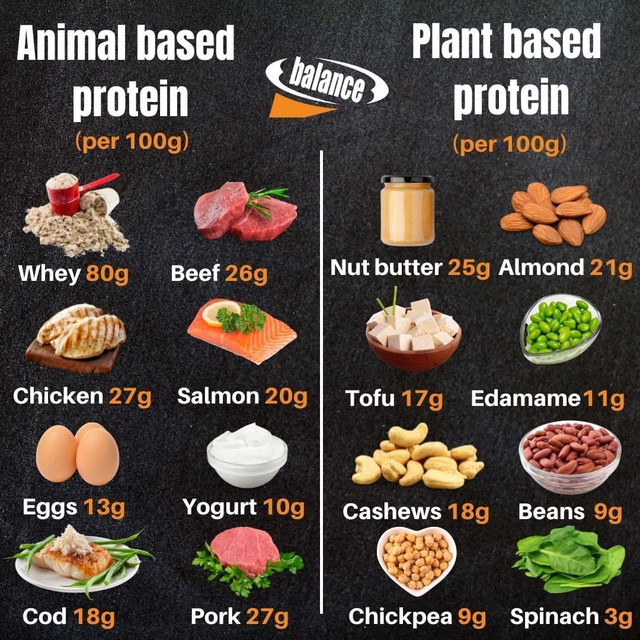
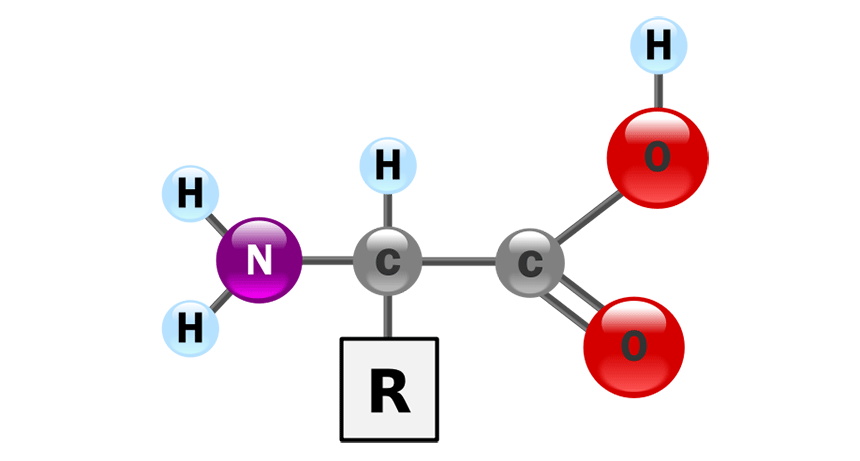
Animal-based proteins come from meat, fish, dairy, and eggs. These sources are considered "complete proteins" because they contain all nine essential amino acids that the body cannot produce on its own.
1.1. High Biological Value (BV)
- Whey Protein: Whey protein, found in dairy, has one of the highest biological values, meaning it is easily absorbed and utilized by the body. It is often favored by athletes and bodybuilders for muscle recovery and growth.
- Eggs: Eggs are another high-BV protein source. They are versatile and can be included in various dishes, providing essential amino acids and nutrients like vitamin B12 and choline.

1.2. Nutrient-Dense Sources
- Beef and Poultry: Beef, chicken, and other meats are rich in not only protein but also iron, zinc, and B vitamins. These nutrients support energy levels, immune function, and muscle health.
- Fish: Fatty fish like salmon and cod provide protein along with omega-3 fatty acids, which are beneficial for heart health. Omega-3s are essential fats that have anti-inflammatory properties and support brain function.
1.3. The Role of Dairy
- Yogurt and Cheese: Dairy products like yogurt and cheese are good sources of protein and calcium. Greek yogurt, in particular, is a high-protein snack that also contains probiotics for gut health.
1.4. Benefits of Animal-Based Protein
- Complete Amino Acid Profile: Animal proteins contain all the essential amino acids in the right proportions, making them ideal for muscle repair and growth.
- High in Iron and B Vitamins: Animal proteins are rich in heme iron, which is easily absorbed by the body, and B vitamins like B12, which are vital for energy production and brain health.
READ MORE- More on the benefits of animal-based proteins.
Exploring Plant-Based Protein Sources
Plant-based proteins come from legumes, nuts, seeds, grains, and vegetables. Unlike animal proteins, most plant proteins are "incomplete," meaning they lack one or more essential amino acids. However, by combining different plant proteins, you can create a complete amino acid profile.
2.1. The Rise of Plant-Based Diets
- Tofu and Tempeh: Soy-based products like tofu and tempeh are popular among vegetarians and vegans. They provide a good amount of protein and are versatile in cooking.
- Legumes: Beans, lentils, and chickpeas are excellent sources of plant protein. They are also high in fiber, which aids in digestion and promotes a feeling of fullness.
2.2. Protein-Rich Nuts and Seeds
- Almonds and Cashews: Nuts like almonds and cashews offer a significant amount of protein along with healthy fats and antioxidants.
- Chia Seeds and Flaxseeds: These seeds are rich in protein and omega-3 fatty acids, making them a great addition to smoothies, oatmeal, and salads.
2.3. The Power of Grains
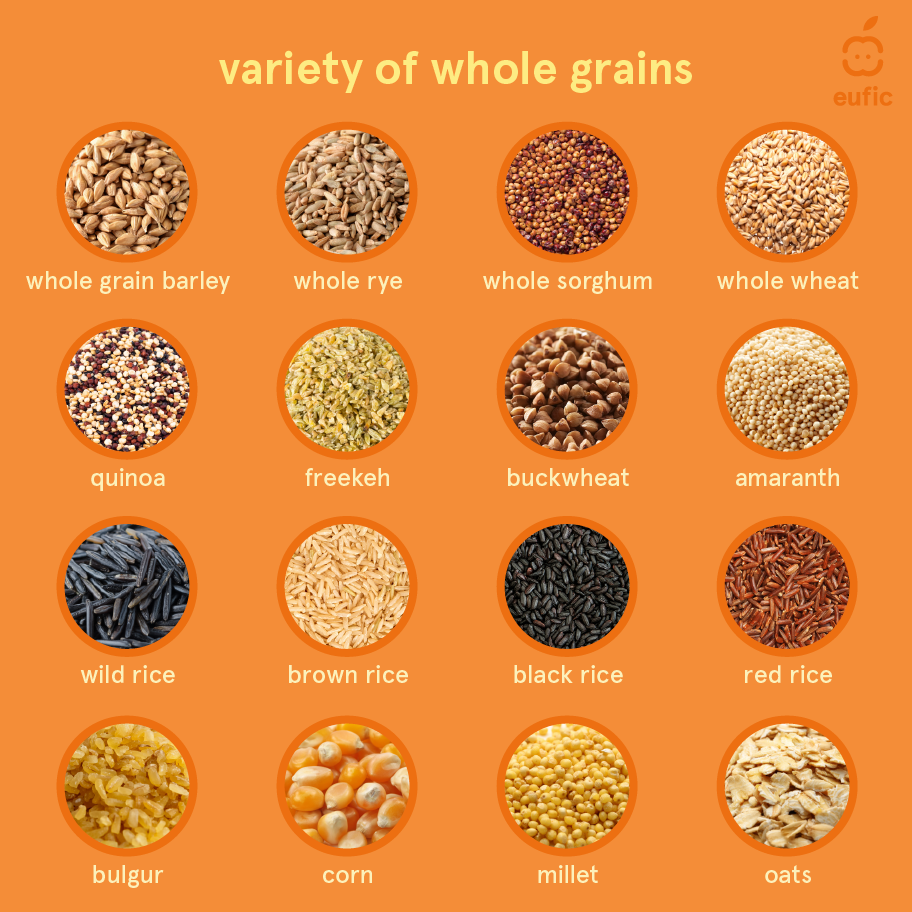
- Quinoa: Quinoa is a unique grain that is a complete protein, containing all nine essential amino acids. It is also gluten-free, making it a popular choice for those with gluten intolerance.
- Oats: Oats are not only high in protein but also in fiber, which helps regulate blood sugar levels and supports heart health.
2.4. The Benefits of Plant-Based Protein
- Lower in Saturated Fat: Plant proteins generally contain less saturated fat compared to animal proteins, making them heart-healthy options.
- Rich in Fiber: Many plant proteins are also high in fiber, which supports digestive health and helps maintain a healthy weight.
- Environmental Impact: Plant-based proteins have a lower carbon footprint, making them a more sustainable choice.
READ MORE- Learn more about the benefits of plant-based proteins.
Comparing Nutritional Profiles
When comparing animal-based and plant-based proteins, it's important to look beyond just the protein content. The nutritional profile of each source includes a variety of vitamins, minerals, and other compounds that contribute to overall health.
3.1. Amino Acid Composition
- Complete vs. Incomplete Proteins: As mentioned earlier, animal proteins are complete, while most plant proteins are incomplete. However, combining different plant-based foods, such as rice and beans, can provide a complete amino acid profile.
3.2. Micronutrient Density
- Vitamins and Minerals: Animal proteins are rich in micronutrients like vitamin B12, iron, and zinc, which are essential for energy production, immune function, and DNA synthesis. Plant proteins, on the other hand, are often higher in vitamins C, E, and K, as well as antioxidants that protect against cellular damage.
3.3. Digestibility
- Bioavailability: Animal proteins are generally more bioavailable, meaning the body can absorb and use them more efficiently. Plant proteins may have lower bioavailability due to the presence of anti-nutrients like phytic acid, which can inhibit the absorption of minerals.
3.4. Impact on Satiety
- Feeling Full: Protein is known for its satiating effect, helping you feel full longer. Some studies suggest that animal proteins, particularly from meat and dairy, may be more effective at reducing hunger compared to plant proteins. However, the high fiber content in many plant proteins can also contribute to a sense of fullness.
READ MORE- Understanding the digestibility of different protein sources.
Health Implications of Animal-Based vs. Plant-Based Proteins
The choice between animal-based and plant-based proteins can have different implications for health, depending on individual dietary needs and health goals.
4.1. Cardiovascular Health
- Saturated Fat: Animal proteins, especially red and processed meats, are often high in saturated fat, which has been linked to increased cholesterol levels and a higher risk of heart disease. On the other hand, plant-based proteins are typically lower in saturated fat and can be beneficial for heart health.
4.2. Weight Management
- Caloric Density: Animal-based proteins tend to be more calorie-dense compared to plant-based proteins. This can be advantageous for individuals looking to gain weight or build muscle but may pose challenges for those aiming to lose weight.
4.3. Bone Health
- Calcium and Vitamin D: Dairy products are rich in calcium and vitamin D, which are crucial for bone health. While some plant-based sources, like fortified plant milks and leafy greens, provide these nutrients, they may not be as readily absorbed as those from animal sources.
4.4. Gut Health
- Fiber and Prebiotics: Plant-based proteins often come with a higher fiber content, which supports gut health by feeding beneficial bacteria in the gut. Animal proteins lack fiber but can still support gut health when consumed as part of a balanced diet.
READ MORE- Explore the impact of protein on cardiovascular health.
Ethical and Environmental Considerations
Beyond health, ethical and environmental factors play a significant role in the debate between animal-based and plant-based proteins.
5.1. Environmental Impact
- Carbon Footprint: The production of animal-based proteins, particularly beef and lamb, has a much larger carbon footprint compared to plant-based proteins. Livestock farming contributes significantly to greenhouse gas emissions, deforestation, and water usage.
- Sustainability of Plant-Based Proteins: Plant-based proteins generally require less land, water, and energy to produce. As a result, they are often considered more sustainable and environmentally friendly.
5.2. Ethical Concerns
- Animal Welfare: For many, the decision to avoid animal-based proteins is rooted in concerns about animal welfare. Factory farming practices often involve crowded, inhumane conditions for animals.
- Supporting Sustainable Practices: Choosing plant-based proteins or sustainably sourced animal products can align with ethical considerations for those concerned about the treatment of animals and the environment.
READ MORE- Learn more about the environmental impact of protein production.
Making the Right Choice for You
Choosing between animal-based and plant-based proteins ultimately comes down to individual preferences, health goals, and ethical beliefs. Both types of protein can be part of a healthy diet, and many people find that a balanced approach works best.
6.1. Tailoring Your Diet
- Personal Goals: If you're focused on muscle building or have higher protein needs, incorporating both animal and plant-based proteins can help you meet your goals. For those prioritizing heart health or weight management, leaning more towards plant-based proteins may be beneficial.
- Combining Sources: Combining different protein sources, such as adding beans and tofu to your diet while still consuming lean meats and fish, can provide a balanced intake of essential nutrients.

6.2. Flexibility in Diet Choices
- Flexitarian Approach: A flexitarian diet, which emphasizes plant-based foods but still includes moderate amounts of animal products, offers a flexible approach that can cater to different nutritional needs and preferences.
- Listening to Your Body: Pay attention to how your body responds to different proteins. Some people may find they feel better on a diet rich in plant-based proteins, while others may need the nutrients found in animal-based proteins.
READ MORE- How to build a balanced diet with both animal and plant-based proteins.
Striking the Right Balance
In the debate of animal-based vs. plant-based proteins, there is no one-size-fits-all answer. Both have unique advantages and can contribute to a healthy diet when chosen thoughtfully. By understanding the differences, nutritional profiles, health implications, and environmental impacts, you can make informed choices that align with your health goals and values.
Whether you choose to focus on animal-based proteins, plant-based proteins, or a combination of both, the key is to ensure you're getting enough high-quality protein to support your body's needs. Striking the right balance can lead to better health, improved well-being, and a more sustainable lifestyle.



0 Comments